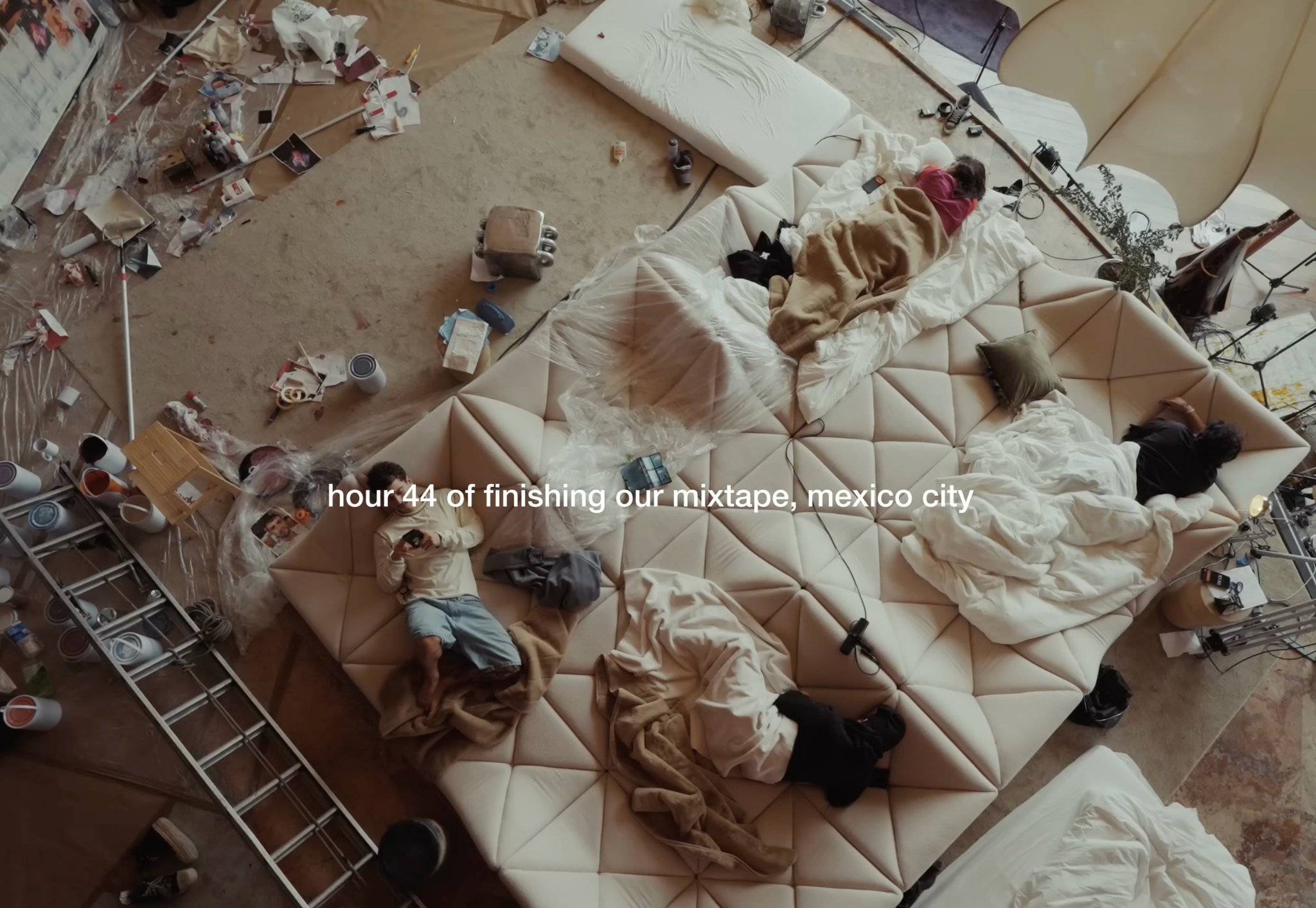
Seventy-two hours to finish the one thing you came here to do — alongside three other people who came for the same reason.
Vacations exist for the part of you that wants to slow down. There is nothing, anywhere, for the part of you that wants to finish something. So we built a small room for that.
You arrive on a Thursday. You write one thing on an index card — the one thing you came here to finish. Three other people do the same. That card lives above your desk for the next seventy-two hours. Anything that isn't the card is a distraction from the card.
There is no coach. No curriculum. No group exercise. You already know what you need to do. Lock In Camp is just the room where you actually do it.
Nobody's leading a sound bath. Nobody's asking what you're grateful for. You're not here to feel better. You're here to leave with a thing you didn't have when you arrived.
No wine at five. No community manager. No open Slack. The three people around you aren't a network — they're witnesses. Their presence is the whole design.
Nobody is going to teach you what you already know. If you needed teaching, you'd take a class. You needed a room, and the discipline of three other people in it.
A bee and a mosquito can both hurt you. You fear the bee more. Why? The bee's not afraid to die.
If a bee wants to sting you, it will. It doesn't care how hard you swat. All it cares about is stinging you. A mosquito is cautious. It wants your blood, but it also wants to keep living. That's what makes it unsuccessful — you scare it, or you slap it.
Almost everyone you meet is a mosquito. They kinda want a better life. They get pulled back the second things get hard. Occasionally, you meet a bee. You'll know. They put a hundred percent of their life force into one thing, and it becomes obvious to anyone watching that this person is going to get what they want.
These people change your life. Because until you meet one, you had no idea a person could want something this much.
Lock In Camp is a small room for bees.
We spend the year finding the room and quietly making it ready, so that when you arrive there is nothing left for you to decide. The room is chosen. The bed is made. The desk faces the right window.
Everything that would normally cost you a decision is already decided. The chair that doesn't hurt your back on hour eleven. The pen that writes the way you like it. The meals — cooked by someone who knows what they're doing, delivered without ceremony, whatever a body actually needs to finish a hard thing. You bring the one thing you came to work on. That's all you bring.
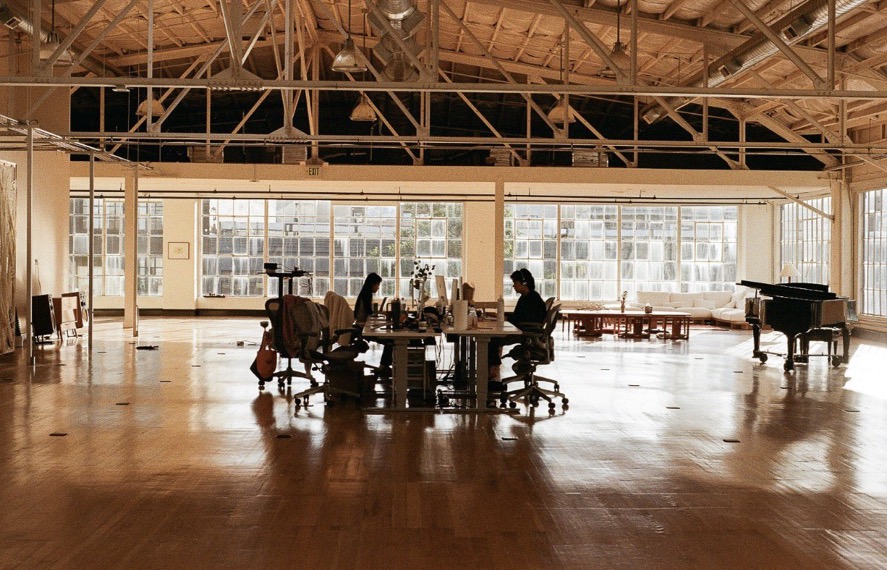
An old house in the country. Cream walls, linen sheets, natural light. Four small private rooms and one long shared table. The kind of place that makes you sit up straighter without being asked to.
Three simple meals a day, made by a real cook. Nothing precious. Nothing complicated. The kind of food that keeps a person sharp for twelve hours of work, and asks for none of your attention in return.
Wifi filtered down to the tools you actually need. No televisions, no music in the common rooms, no meetings on any calendar. What you notice first is how loud your own thinking gets.
There is a rhythm. It isn't strict. Nobody is going to shout at you if you sleep in. The point of the rhythm is that once you stop deciding when to work, you notice you have a great deal more time to work.
Four seats. Four cards on the wall. Four people who traveled somewhere to finish one thing. Small enough that nobody hides, quiet enough that nobody performs.
You'll barely learn each other's names on the first day. You will, however, feel them in the room. That's the whole trick. You already know how to work. You just need to be somewhere the cost of looking up from it is that three other people notice.
Nobody is here to collaborate. Nobody is giving feedback on your project. Nobody wants your business card. You may talk at meals. Most people don't, by the second day.
All sessions are held at the House, upstate. Each person gets a small private room, a desk, a lamp, and a card. That's on purpose.
You almost certainly don't. If you thought about it for thirty seconds, you'd know. If you truly do, there is a phone in a small room by the entrance. It rings back to the front desk. Most people never use it.
Yes. This is not a digital detox. Screens are the tool. Slack, social media, and your email client are blocked at the router by default. You can turn them back on if you're an adult about it. Most people don't bother.
People with one thing that needs to be finished, and the honesty to admit they haven't been finishing it. Writers. Founders. Engineers. Musicians. Anyone whose work happens in a room, whose room happens to be the problem.
People who want to network. People who want to relax. People who want a story for Instagram. There is no wifi in the common areas and no photography permitted in the house. If the point of coming was the story, don't come.
A first draft. A pitch deck. A prototype. A pull request that had been sitting open for three months. A hard email. A resignation letter. One person finished a wedding vow.
On Sunday evening we sit in a circle for twenty minutes. Each person reads one line about the thing they made. That's the whole ceremony. Then people go home.
Four seats a session. First session runs when the four seats fill. If you're on the fence, the answer is no. If you know, you know.
reserve@lockincamp.com
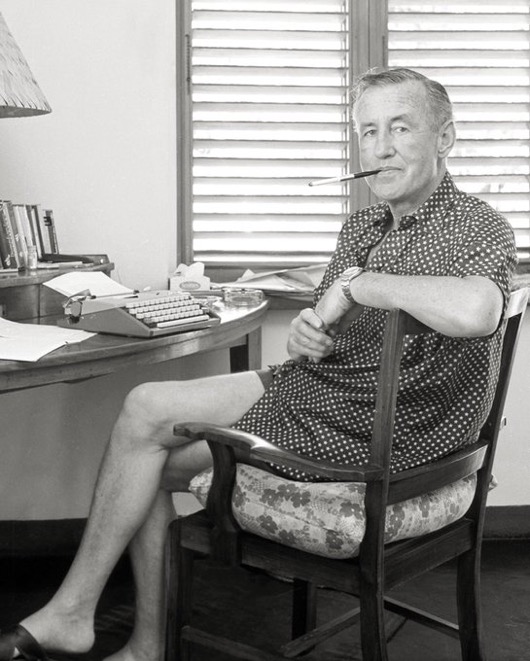
For thirteen winters, Ian Fleming kept the same schedule at his estate in Jamaica. Fourteen James Bond novels came out of that room. This is what a day looked like.
We can't get you Jamaica. We can get you the room.